
The Missing Item Can Be a Dependency
Imagine a hypothetical project where one crew needs a particular machine before another trade can begin. If the machine is stolen, replacing it is only one issue. The next crew may no longer be able to work at the expected time, and later activities may depend on that crew finishing.
This is an illustration of a possible schedule effect, not a claim that every equipment theft delays every project. Some sites can continue other work while an item is replaced. Others have less flexibility at that stage. The equipment's role in the sequence matters more than a simple count of how many items disappeared.
Downtime Is a Recognized Part of Theft Loss
The California Highway Patrol's Cargo Theft Interdiction Program notes that theft related losses can include jobsite downtime, replacement needs, and time spent on additional paperwork. That observation helps explain why the value of stolen property does not always represent the full operational impact.
For construction teams, the inference is straightforward: time spent dealing with an unexpected loss is time that may otherwise have been used on the project. The precise effect depends on the circumstances. A public article should not assign a universal delay estimate or claim that every incident produces the same financial consequence.
The Effect Can Reach Other Participants
A missing item may belong to one subcontractor while the resulting disruption affects the general contractor, another trade, and the property owner. Those parties can have different concerns. One wants equipment returned, another needs work to resume, and another is waiting for a usable building.
These interests do not establish who is legally responsible for the theft. They explain why the event can become a shared project issue even when ownership is clear. A warehouse can experience a similar dependency when missing stock or equipment interrupts normal movement of goods. The common concern is continuity, rather than treating theft only as a line in an inventory report.
Insurance and Project Continuity Have Different Roles
The California Department of Insurance explains that commercial coverage can address categories such as property loss and business interruption, depending on the policy. Coverage is not automatic for every loss, and the existence of insurance does not establish that every resulting delay will be covered.
Even when a claim is payable, an insurer's decision is not the same thing as the missing equipment being available for tomorrow's work. That distinction is conceptual, not insurance advice. Replacement, scheduling, and claim assessment are different processes. None should be described as a guaranteed immediate remedy simply because the project carries an insurance policy.
Property Security and Project Responsibilities
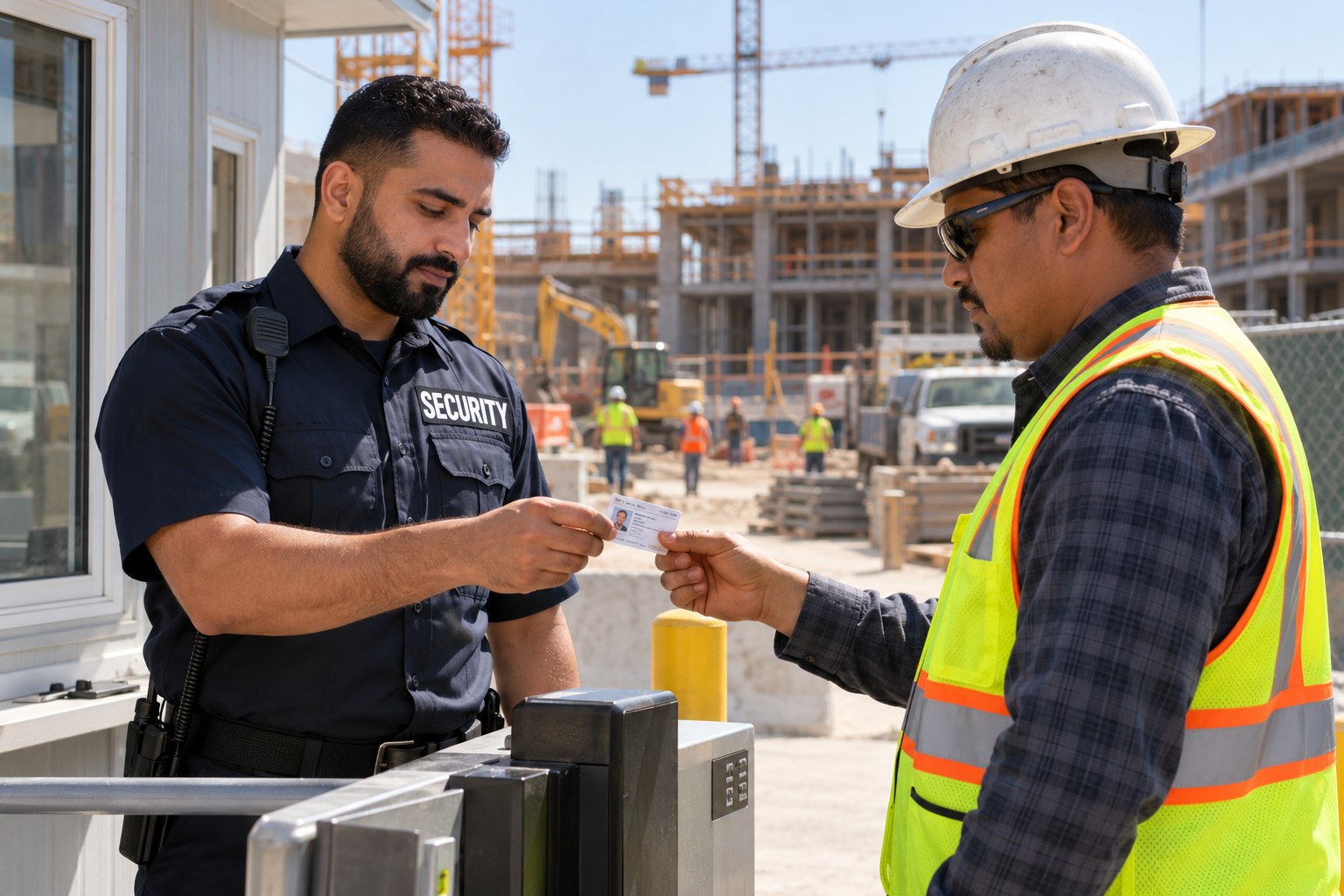
A construction security conversation can recognize that the concern includes equipment, site activity, and the project's ability to continue. It should not promise that a guard assignment will prevent every loss or guarantee a completion date. Construction progress depends on many conditions beyond a provider's control.
Paradigm can be contacted about the site's circumstances and the fit of an available service. Sensitive security procedures belong in that private assessment. The public point is that construction theft deserves attention because a missing asset can affect a sequence of work. Understanding that consequence provides a more useful conversation than reducing every theft to the price of the item.